How to prevent baby bottle tooth decay
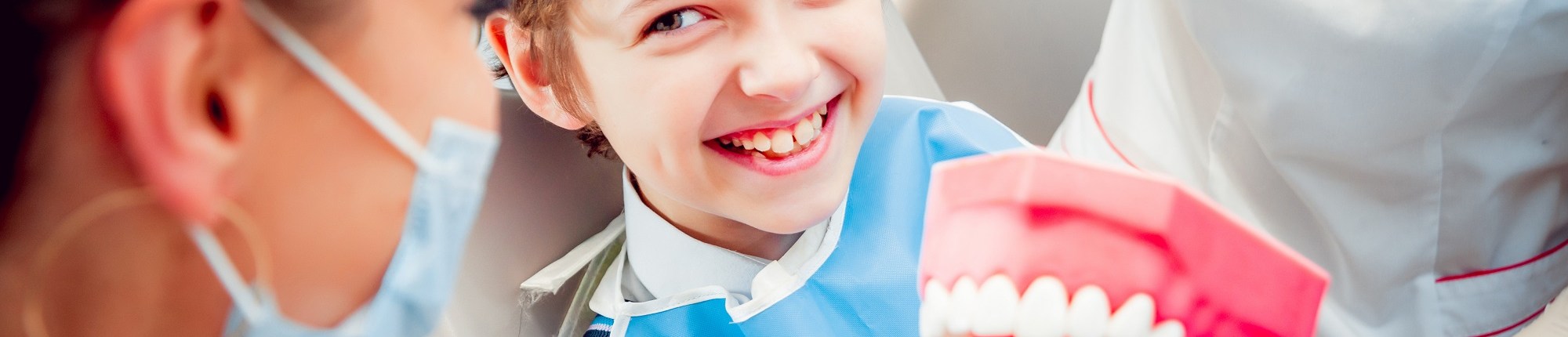
Just because your baby is going to lose his or her baby teeth doesn’t mean that they’re unimportant. Baby teeth are place holders for adult teeth, so if a baby tooth comes out too early due to improper care, then the adult tooth that fills in the space will invariably be crooked or misaligned. For this reason, it is extremely important to care for baby teeth in the same fashion as caring for adult teeth. We need to be as diligent about baby tooth decay as we are about adult tooth decay.
Symptoms
Tooth decay can appear as soon as the first baby tooth comes into the mouth. The initial stages of baby tooth decay occur in the same way as the initial stages of adult tooth decay. The tooth may appear yellow or darker than normal. The child may complain of discomfort when chewing or biting on food. The latter stages and symptoms of decay are much more obvious. The majority of tooth decay in infants and toddlers is caused by a baby bottle. This is why baby tooth decay is often referred to as “baby bottle tooth decay.” The other of the infant can transfer bacteria from her mouth to that of the infant. Also, the baby may be drinking too much fruit juice or sweetened milk, both of which cause and encourage decay. Pacifiers that are dipped in honey are also culprits in baby tooth decay.
Prevention
Though baby bottle tooth decay is scary, it is completely avoidable and preventable. Just incorporate the following steps into your baby’s oral hygiene routine to ensure a solid foundation for healthy teeth, gums and a dazzling smile.
Improve your oral health if you’re the mother or primary caregiver for the infant. Mothers and caregivers often wipe off the nipple of bottles with their own saliva. This is fine so long as the mother or caregiver has great oral hygiene. It is completely possible to spread bacteria from the mother or caregiver to the infant via the nipple on the bottle.
After each feeding, wipe the baby’s gums with a clean, damp cloth. After teething, gently brush the child’s teeth with an infant sized toothbrush and warm water. It is important not to use fluoridated toothpaste when brushing a toddlers teeth until he or she understands how to spit out the toothpaste.
Avoid giving your child fruit juices or any other sugary drink. If the infant or toddler does get to drink juice, make sure to mix it with at least half water.
Treatment
The best treatment for baby bottle tooth decay, as with any disease, is prevention. Make an appointment with the Dental Center within six months of seeing the first baby tooth erupt in the mouth! This simple “happy” visit can more than pay for itself when you child effortlessly grown into a healthy smile.
Posted by
Aaron Chew
on Aug 9th, 2011
4:15 pm
Filed under
Uncategorized . You can follow any responses to this entry through the
RSS 2.0 feed.
Responses are currently closed.
Comments are closed.